






 All posts
7 things you can do tonight to make homework easier for your ADHD child
Seven research-backed homework tips for kids with ADHD, from a mom who's lived every one of these nights. No app required, just tonight.
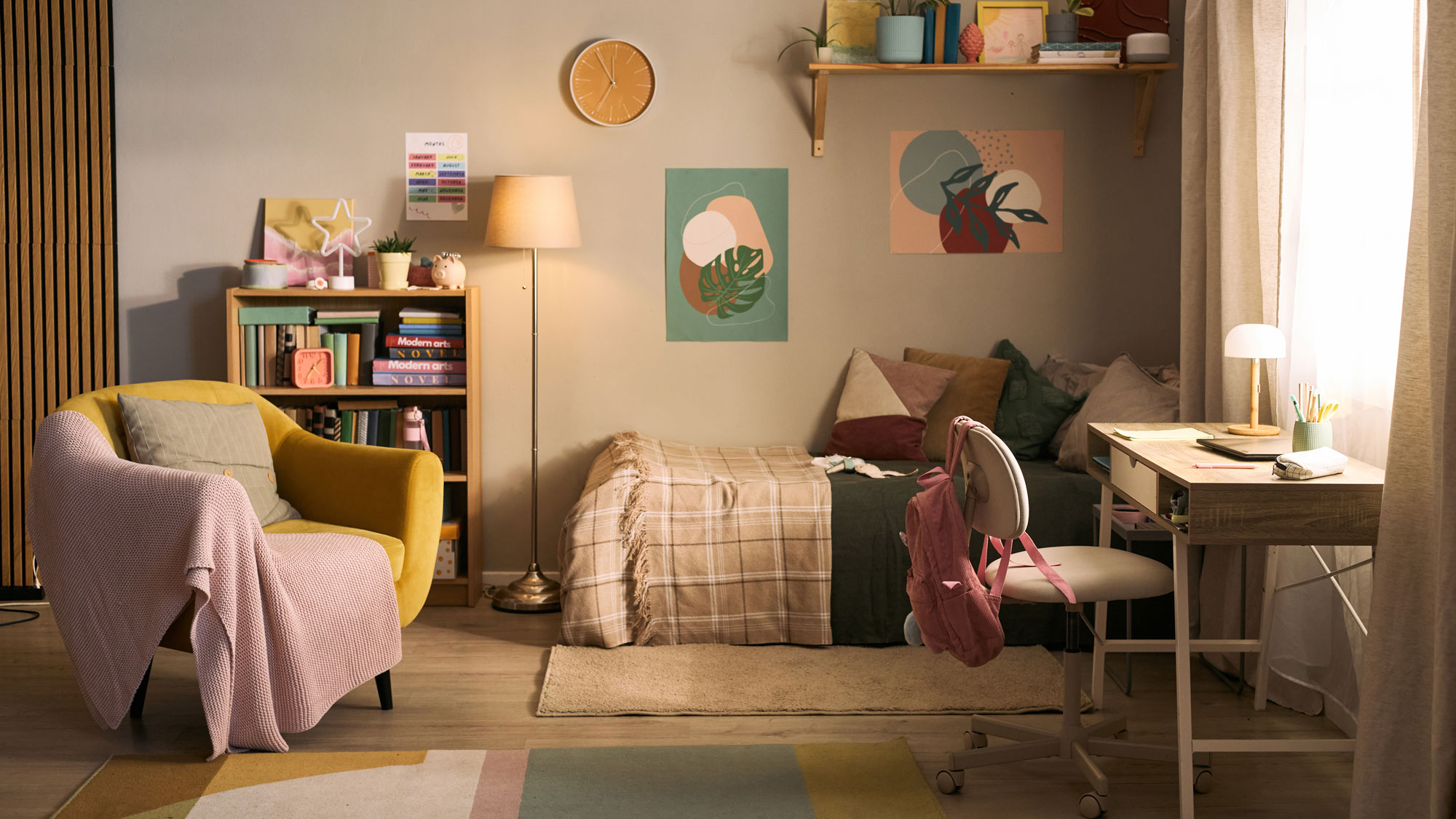
Practical, research-backed changes for the home, whether or not you use any app.
I am not going to open this with a statistic or a clinical definition. You already know your child has ADHD. You already know what the evenings look like. What you need are things that actually help.
So here they are. Seven homework tips, some small, some structural, that research consistently supports and that parents of ADHD kids have found genuinely useful. Not one of them requires a subscription or an app. All of them can start tonight.
1. Give them a dedicated homework spot, and keep it the same every night
This one sounds almost too simple. But it matters more than you might expect.
Every decision your child has to make before the homework begins is mental energy spent before a single word is written. Where should I sit? Should I move to the kitchen? Is the desk better? The couch? Each choice is a small drain on the executive function resources they are going to need for the actual work.
A consistent homework spot eliminates that drain. The spot becomes a signal. The brain learns: this is where homework happens. That association alone can lower the activation energy it takes to begin.
ADDitude's ADHD Family Coach Leslie Josel recommends building the space around the child's preferences. If they had a say in setting it up, they are more likely to use it. Location matters too. Somewhere within snack-grabbing distance of the kitchen, but out of eyeshot of the television, tends to work best.
A tidy space also helps. Not spotless, but clear enough that the materials your child needs are visible and nothing else is competing for their attention. That means putting the phone face down or in another room during the work block. Not as punishment. As a structural choice you make together.
2. Ask them where to start, don't tell them
This one surprised me when I first read the research behind it. Instead of assigning the first subject, ask your child which assignment they want to start with.
It sounds like a small thing. But autonomy, having a genuine choice in the order of the work, is one of the most consistently documented motivators for kids with ADHD. The resistance that flares up before the work even begins often has less to do with the homework itself and more to do with the feeling of being directed. Giving your child ownership of the sequence dissolves some of that resistance before it starts.
This does not mean they get to choose whether to do the homework. It means they get to choose where to begin. That distinction matters. The choice is real, and the brain responds to it differently than it responds to an instruction.
Source: ADDitude Magazine
3. Build the break in before you need it
I used to tell my daughter she could take a break when she finished a section. I thought I was being reasonable. I was wrong about the timing.
The break is not a reward for completing work. It is a required part of how the ADHD brain sustains focus. Removing it, or making it conditional on finishing, almost always makes the next work period harder, not easier.
The break is not a reward for completing work. It is a required part of how the ADHD brain sustains focus.
Here is why: ADHD brains burn through sustained focus faster than neurotypical brains. By the time the child is visibly disengaged, the fuel is already gone. A short break before the tank runs dry is more effective than a longer break after the engine has stalled.
Source: ADDitude Magazine
4. Stop asking them to cram. Spread it out instead.
If your child has a test on Friday and it's Tuesday night, starting tonight, even for fifteen minutes, is more effective than studying for two hours on Thursday.
This is not intuition. It is research.
Students who spread study sessions across multiple days consistently outperform those who study the same total number of hours in a single sitting. The research on spaced repetition shows that this approach works because it targets the forgetting curve: the natural way memory fades when information is not revisited.
For ADHD brains specifically, short-term memory challenges make single-session cramming even less effective than it is for neurotypical students. The information simply does not stick the same way.
Sources: ADDitude Magazine and Frontiers in Medicine (2025)
The practical version of this: when a test or big project comes home, open the calendar that night and spread the prep across the available days. Even two or three short sessions in the days leading up to the test will outperform one long session the night before.
5. Let the music play
Your child doing homework with headphones on is probably not the problem you think it is.
Dopamine, the neurotransmitter responsible for motivation, focus, and the sense of reward that comes from completing a task, operates differently in ADHD brains. It runs lower. The motivational signal that tells a neurotypical brain "this effort is worth continuing" is quieter or delayed. Music, particularly music the child enjoys, is one of the most accessible ways to stimulate dopamine release.
The right playlist is not a distraction. It is doing actual neurological work.
Source: ADDitude Magazine
6. Break big projects into day-sized pieces the moment you hear about them
The midnight science fair emergency does not begin at midnight. It begins the day the assignment came home and nothing happened.
The moment a big project, essay, or multi-day assignment arrives, sit down together that same evening and map it across the days available before the due date. Not to micromanage every step, but to make it feel survivable. A project that feels like a mountain does not get started. A project that has a clearly defined piece assigned to today feels like something a person can actually do.
One section per day. One day at a time. The calendar is the tool.
CHADD recommends dividing large assignments into smaller components and using a calendar to plan across the available days, noting specifically that this models the planning and sequencing skills that executive function challenges make difficult.
For more on how kids build habits like this one over time, see CHADD's Building Better Homework Habits.
7. Reward the effort. Not just the outcome.
Children with ADHD have a harder time connecting today's effort to tomorrow's reward. The gap between doing the work and experiencing the payoff is simply too long for the brain's reward system to bridge reliably on its own.
This is not a willpower problem. It is a neurological one.
This is not a willpower problem. It is a neurological one.
CHADD's research backs this up: what actually moves the needle is rewarding the effort itself, not just whether the task got finished. A kid who worked hard but didn't finish still deserves credit for that effort, because that is the behavior you are trying to build. Rewarding only completion teaches a child whose executive function makes completion difficult that they are failing before they even start. Rewarding the effort teaches them that showing up and pushing through already counts for something.
Immediate, specific, and concrete rewards work best. Not "good job," but "you sat with that problem for the whole block and did not give up. That is hard. I saw you do it." And if there is a tangible reward attached, something small, agreed upon in advance, the brain gets the dopamine signal it needs to repeat the behavior.
Sources: CHADD and ADDitude Magazine
One more thing
None of these are magic. Some evenings will still be hard. The homework battle does not disappear the first night you try any of this.
But each of these changes shifts the environment in a direction that works with an ADHD brain rather than against it. That is the whole game: not finding something that forces the brain to cooperate, but creating conditions where cooperation becomes possible.
If you would like a tool that brings several of these ideas into a single structured system your child can use on their own, Myzo was built for exactly that. You can join our waitlist and be among the first families to try it at getmyzo.com.
Sources referenced in this post:
- ADDitude, Homework Space and Study Area for ADHD
- ADDitude, 12 Schoolwork Shortcuts for Kids Who Hate Homework
- ADDitude, The Homework System That Really Works
- ADDitude, How to Study Effectively with ADHD
- ADDitude, Music, Dopamine, and Focus
- ADDitude, Behavior Chart Rewards for ADHD
- CHADD, Homework Help for ADHD
- CHADD, Building Better Homework Habits (background reading)
- CHADD, How Rewards and Punishment Work for Children with ADHD
- Frontiers in Medicine, Spaced Repetition and Knowledge Retention (2025), not yet independently verified